
You can keep your NDIS budget on track by reviewing your funding regularly, understanding each budget category, tracking spending, and using plan management to simplify invoices, payments, and budget monitoring.Managing an NDIS budget should not feel overwhelming.Many participants worry about running out of funding before their plan ends. Others struggle with invoices, provider payments, and understanding where their money goes.The good news is that staying on top of your NDIS funding does not require complicated spreadsheets or constant calculations.With the right approach, you can confidently use your funding while focusing on your goals instead of paperwork.
Why Managing Your NDIS Budget Matters
Your NDIS funding is designed to help you achieve the goals outlined in your plan.
If your budget is not monitored properly, you could:
- Spend funding too quickly.
- Miss important supports later.
- Delay essential services.
- Feel stressed before your next plan review.
Regular budget tracking helps ensure your funding lasts throughout your plan period.
Understanding How Your NDIS Budget Works
Every NDIS plan contains different funding categories.
Each category has its own purpose.
| Budget Category | Purpose | Examples |
| Core Supports | Everyday supports | Personal care, transport, consumables |
| Capacity Building | Build independence | Therapy, employment support, training |
| Capital Supports | Larger purchases | Assistive technology, home modifications |
Understanding these categories reduces accidental overspending.
Signs Your NDIS Budget Is Going Off Track
Watch for these warning signs:
- You never check your remaining balance.
- Invoices arrive unexpectedly.
- Providers submit invoices months later.
- You cannot estimate your monthly spending.
- Essential supports stop before plan expiry.
- You avoid checking your funding because it feels confusing.
Small issues often become larger budgeting problems if ignored.
7 Practical Ways to Keep Your NDIS Budget on Track
Know Exactly How Much Funding You Have
Start by reading your plan carefully.
Understand:
- Your total funding
- Funding categories
- Plan duration
- Spending flexibility
Knowing your starting point makes every budgeting decision easier.
Review Your Budget Every Month
The NDIS recommends checking your funding regularly.
Monthly reviews help you:
- Monitor spending
- Identify unusual expenses
- Avoid overspending
- Plan future supports
Regular reviews reduce surprises later.
Track Every Service You Receive
Do not wait until your funding becomes low.
Keep records of:
- Support worker visits
- Therapy sessions
- Equipment purchases
- Transport claims
Tracking services makes budgeting much more predictable.
Understand Your Average Monthly Spending
Many participants only look at their remaining balance.A better approach is calculating your average monthly usage.
For example:
| Plan Length | Budget | Ideal Monthly Spend |
| 12 months | $24,000 | $2,000 |
| 12 months | $36,000 | $3,000 |
| 12 months | $48,000 | $4,000 |
This simple calculation helps your funding last the entire plan.
Keep Your Service Agreements Updated
Service agreements explain:
- Services provided
- Pricing
- Frequency
- Responsibilities
Updated agreements reduce billing confusion and improve budget planning.
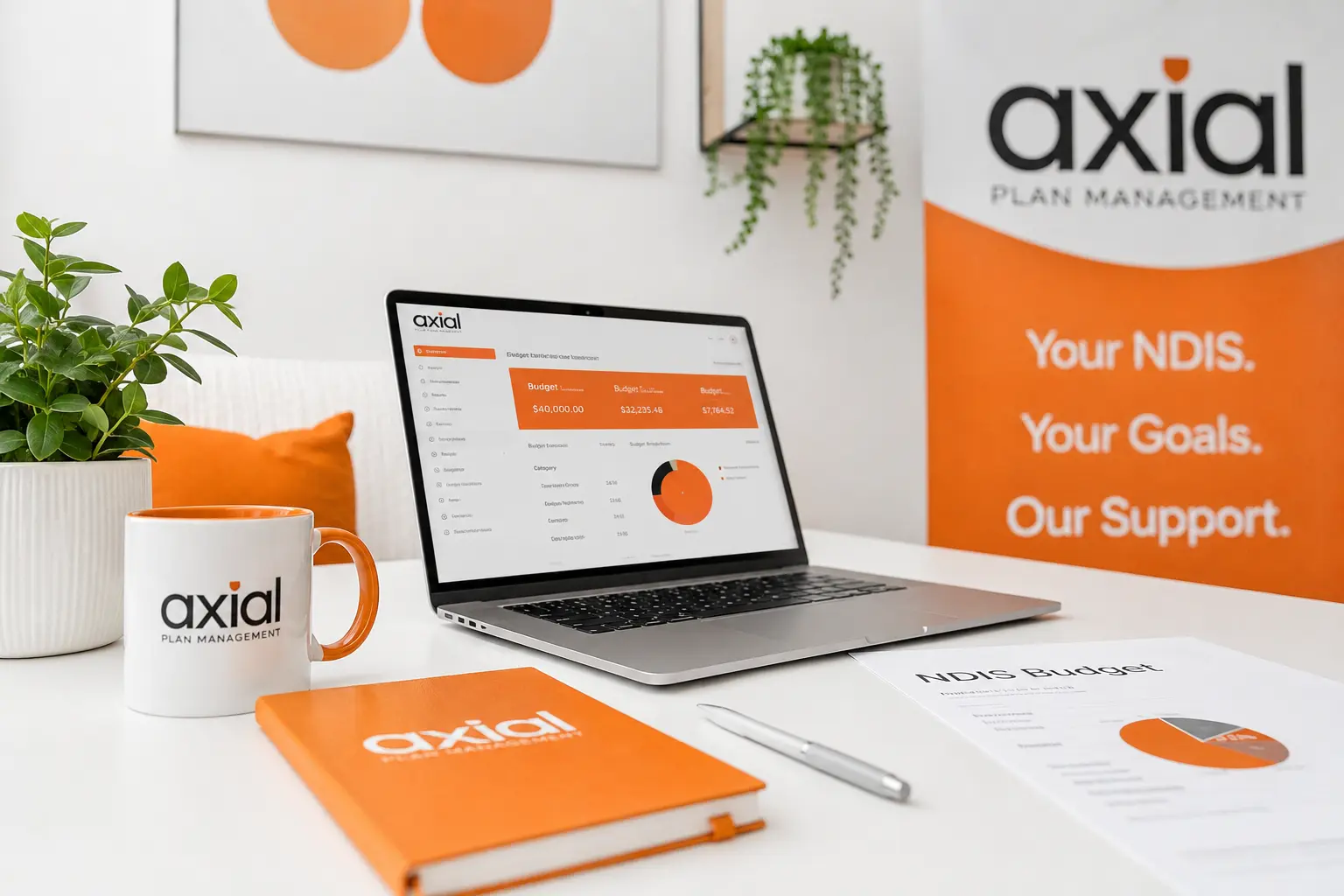
Use Technology to Monitor Spending
Many plan managers provide:
- Online dashboards
- Real-time balances
- Invoice history
- Monthly statements
These tools make tracking your funding much easier.
Consider NDIS Plan Management
Managing invoices and payments yourself takes time.
With NDIS plan management:
- Provider invoices are processed for you.
- Payments are managed efficiently.
- Monthly spending reports are provided.
- Budget tracking becomes much easier.
- You can choose both registered and unregistered providers.
- Plan management is funded separately when included in your plan, so participants generally do not pay out of pocket for the service.
Common Budget Mistakes to Avoid
Many participants accidentally create budgeting problems.
Avoid these mistakes:
- Ignoring monthly statements.
- Waiting until funding becomes low.
- Forgetting delayed invoices.
- Misunderstanding funding categories.
- Booking too many services early.
- Not asking questions when unsure.
Small improvements create better financial confidence.
How Plan Management Can Reduce Budget Stress
Keeping track of invoices, payments, and provider claims takes time.Plan management removes much of this administrative workload.
A plan manager can help by:
- Paying provider invoices.
- Tracking available funding.
- Providing monthly budget reports.
- Highlighting spending trends.
- Helping you understand your available budgets.
This allows participants to focus more on their goals and less on administration.
Simple Monthly NDIS Budget Checklist
Every month, ask yourself:
✅ Have I checked my remaining balance?
✅ Have all provider invoices been processed?
✅ Am I spending evenly across my plan?
✅ Have I reviewed my monthly statement?
✅ Do I understand my remaining funding?
This quick routine can prevent many budgeting issues.
Frequently Asked Questions
How often should I check my NDIS budget?
Review your budget at least once each month. Many participants also check their online balance weekly.
Can I choose my own providers with plan management?
Yes.Plan-managed participants can generally use both registered and unregistered providers, provided the supports comply with NDIS requirements.
What happens if I spend my NDIS funding too quickly?
You may not have enough funding available for supports later in your plan.Regular monitoring helps prevent this situation.
Does plan management cost participants extra?
When plan management is included in your NDIS plan, the funding is provided separately by the NDIS, meaning participants usually do not pay additional out-of-pocket costs.
Can I change my plan manager?
Yes.You can change your plan manager during your plan if you decide another provider better meets your needs.
Final Thoughts
Keeping your NDIS budget on track does not have to be stressful.Understanding your funding, reviewing your budget regularly, tracking your spending, and using helpful budgeting tools can make a significant difference.If you want less paperwork and better visibility over your funding, Axial Plan Management can help simplify the process. Our experienced team manages provider invoices, processes payments, and provides regular budget updates, giving you more confidence in how your NDIS funding is being used.With Axial Plan Management, you can spend less time managing administration and more time focusing on your goals and the supports that matter most.Contact us today to learn how Axial Plan Management can help you keep your NDIS budget on track with less stress and greater peace of mind.