

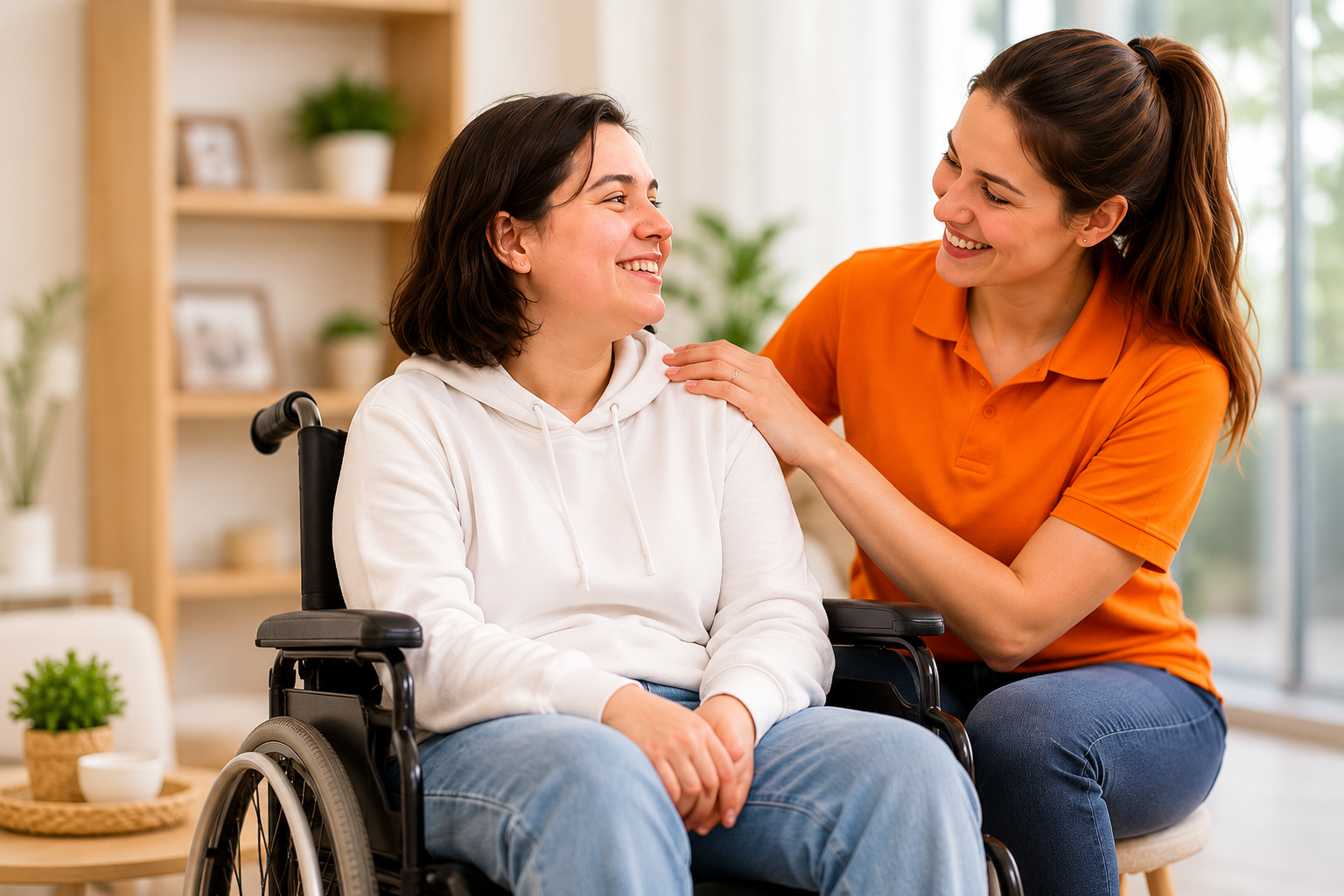
Living independently is about more than simply having a place to live. It is about feeling comfortable in everyday life, making personal choices, building routines, and gaining confidence step by step.For many people living with disability, the right support can make daily tasks easier while still encouraging independence and personal growth.At Axial Plan Management, the focus is on helping NDIS participants feel more confident and in control by making plan management simple, stress-free, and easy to understand. Independent Living Options can help participants build life skills, improve social connections, and create a more stable and rewarding lifestyle.
What Are Independent Living Options?
Independent Living Options (ILO) are flexible housing and support arrangements designed to help people live with greater independence while still receiving the assistance they need.These supports may include help with:
- Daily routines
- Household tasks
- Personal care
- Cooking and meal preparation
- Budgeting and financial management
- Transport assistance
- Community participation
The goal is not to take over a participant’s life. Instead, independent living support focuses on helping individuals build confidence, improve daily skills, and manage their own routines more independently over time.Some participants may choose to live alone with regular support visits, while others may prefer shared accommodation with housemates and support workers. The right arrangement depends on individual goals, comfort levels, and support needs.Many participants also explore Supported Independent Living (SIL) as part of their long-term housing and support journey.
Why Confidence Matters in Everyday Life
Confidence affects nearly every part of daily living. When people feel supported, capable, and included, they are more likely to:
- Try new experiences
- Build social relationships
- Participate in community programs
- Learn practical life skills
- Make personal decisions independently
- Feel safer and more secure at home
- Improve emotional wellbeing
For many participants, confidence grows gradually through small achievements. Preparing meals independently, managing appointments, or travelling locally without assistance can create a strong sense of accomplishment and self-belief.This is where Independent Living Options can make a meaningful difference.
How Independent Living Options Build Confidence
1. Encouraging Personal Choice
One of the biggest benefits of independent living is having the freedom to make personal decisions.Choosing where to live, planning daily routines, deciding on activities, and managing personal schedules helps participants feel respected and heard.Even small choices like meal planning, decorating a room, or choosing social activities can improve confidence and independence.Support workers play an important role by providing guidance while still encouraging participants to make their own decisions whenever possible.
2. Building Stable Daily Routines
Consistent routines can help reduce stress and create a greater sense of stability.Many people feel more confident when they know what to expect each day. Independent living support may include help with:
- Morning and evening routines
- Meal preparation
- Household organisation
- Medication reminders
- Shopping and appointments
- Travel support
Over time, participants often become more comfortable handling some of these tasks independently. Regular practice helps build confidence, familiarity, and long-term independence.
3. Improving Social Confidence Through Community Participation
Confidence is not only built at home. Social interaction also plays a major role in personal growth and emotional wellbeing.Many people living with disability may experience social isolation or limited opportunities to connect with others. Independent living support can encourage participants to join:
- Community activities
- Hobby groups
- Educational programs
- Social events
- Volunteer opportunities
These experiences can help participants:
- Build friendships
- Improve communication skills
- Feel more included in the community
- Develop independence outside the home
Being involved in community life often improves self-esteem and emotional wellbeing.
4. Developing Practical Life Skills
A major goal of Independent Living Options is helping participants develop everyday skills that support long-term independence.
These skills may include:
- Cooking simple meals
- Grocery shopping
- Budgeting and money management
- Cleaning and laundry
- Using public transport
- Time management
- Communication skills
Learning these practical tasks gradually can reduce reliance on others and help participants feel more capable in daily life.Support workers often encourage participants to complete tasks themselves rather than doing everything for them. This approach builds confidence through real-life experience and achievement.
Feeling Safe While Staying Independent
Many participants want independence while still needing some level of support for safety and wellbeing.Independent living arrangements help create a balance between freedom and support. Participants can maintain privacy and personal independence while still having assistance available when needed.Support may be provided during specific hours or throughout the day depending on individual requirements.Knowing support is available can help reduce anxiety for both participants and families, making it easier to try new experiences with confidence.
Independent Living and Mental Wellbeing
Confidence and emotional wellbeing are closely connected.People who feel more independent often experience:
- Reduced stress
- Improved self-esteem
- Greater motivation
- Better emotional wellbeing
- More positive social experiences
Supportive living environments also help create a sense of belonging, comfort, and stability.At Axial Plan Management, the goal is to support participants in ways that help them feel comfortable, informed, and empowered throughout their NDIS journey.
Support That Changes as Needs Change
Every participant’s journey toward independence is different.Some people may need regular support at first and gradually become more independent over time. Others may continue needing assistance in certain areas while remaining independent in others.Flexible support arrangements make it possible to adjust services as personal goals and circumstances change.This person-centred approach helps participants build confidence at a pace that feels comfortable and achievable.
Common Questions About Independent Living
Who Can Benefit From Independent Living Support?
People living with disability who want greater independence, improved social participation, or help with daily activities may benefit from independent living support.
Support arrangements can vary depending on personal goals, abilities, and living preferences.
Does Independent Living Mean Living Alone?
Not always.Some participants choose to live independently with visiting support, while others prefer shared living arrangements with housemates and support workers.The right option depends on individual comfort and support needs.
Choosing the Right Support Provider
Finding the right support provider can make a significant difference in the independent living experience.
A good provider should focus on:
- Respecting participant choices
- Encouraging independence
- Providing reliable support
- Building trust and communication
- Supporting long-term goals
- Creating a safe environment
Support should feel encouraging rather than restrictive.At Axial Plan Management, participants receive guidance and support designed to make NDIS plan management easier while helping them access the services they need to live more independently.
Small Steps Often Lead to Big Changes
It usually grows through small, consistent achievements over time.Preparing meals, attending community activities, managing schedules, or learning new routines can gradually help participants feel more independent and secure.The right support system gives participants the freedom to grow while still having assistance available whenever needed.This is why many families and participants value Independent Living Options as part of their long term goals for independence and wellbeing.
Final Thoughts
Independent Living Options can help people build confidence by encouraging personal choice, supporting daily routines, improving social participation, and developing practical life skills.The goal is not simply to provide support, but to help participants feel more capable, confident, and involved in their everyday lives.With the right guidance and encouragement, participants can strengthen independence, build routines, and feel more confident in daily situations.If you or someone you care about needs guidance with NDIS support and plan management, Axial Plan Management is here to help make the process simple, transparent, and easier to manage.